Cycle Time and Consistency
We evaluate manual actions, waiting time, thermal stability and process sequence, then translate cycle-time targets into equipment actions and fixture strategy.
NBKEM AUTOMATION EQUIPMENT
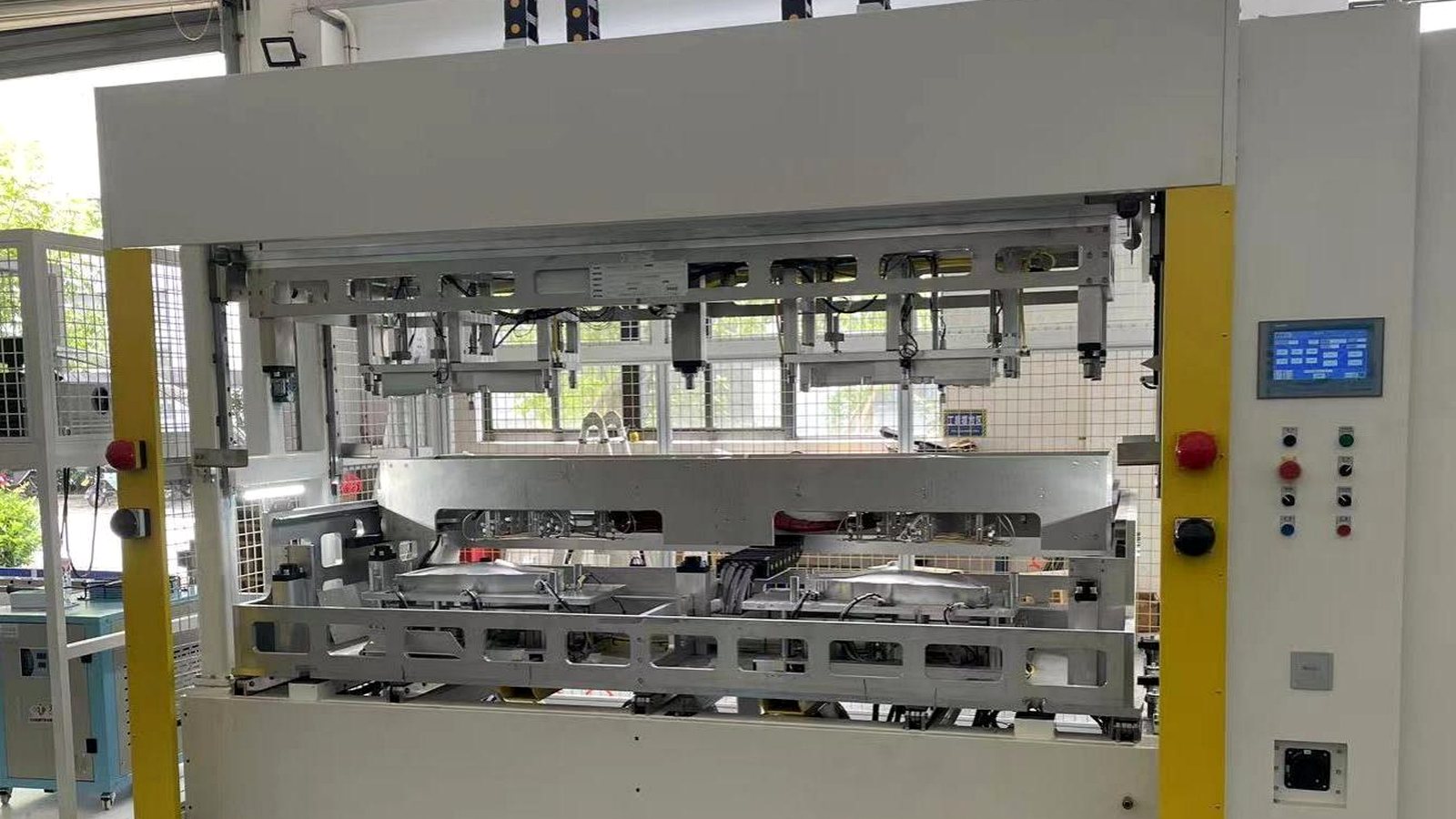
Founded in 2008, NBKEM provides engineering evaluation, equipment concepts, fixture design, assembly, commissioning and project delivery for automotive interior automation and mold-related applications.
Leading Products
Customizable automation equipment for hot riveting, wrapping, assembly, inspection and fixture holding of automotive interior parts.
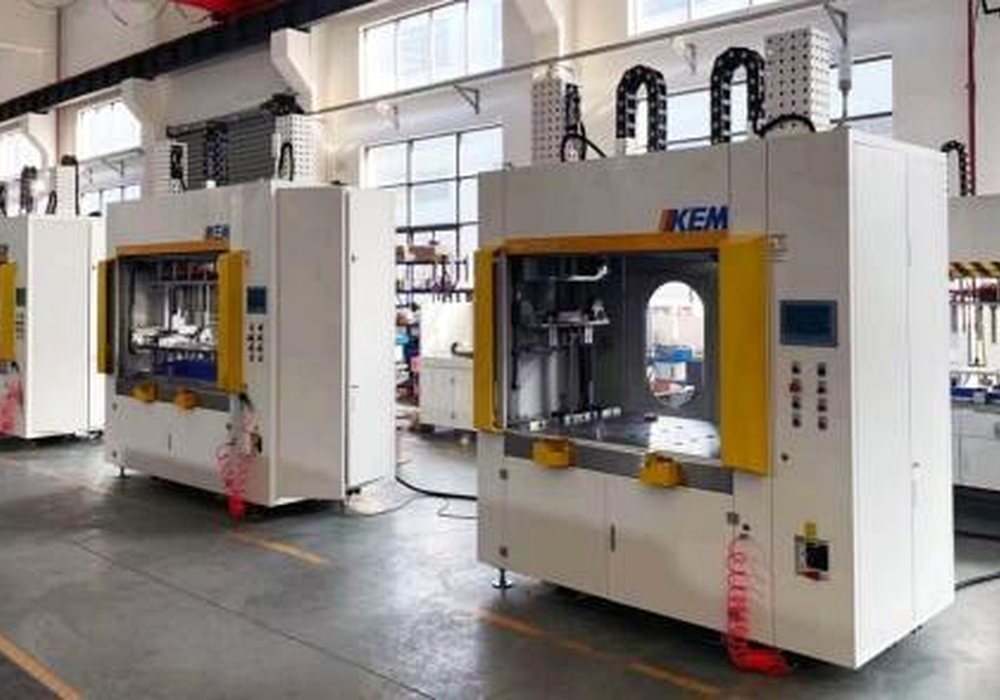
RH Series
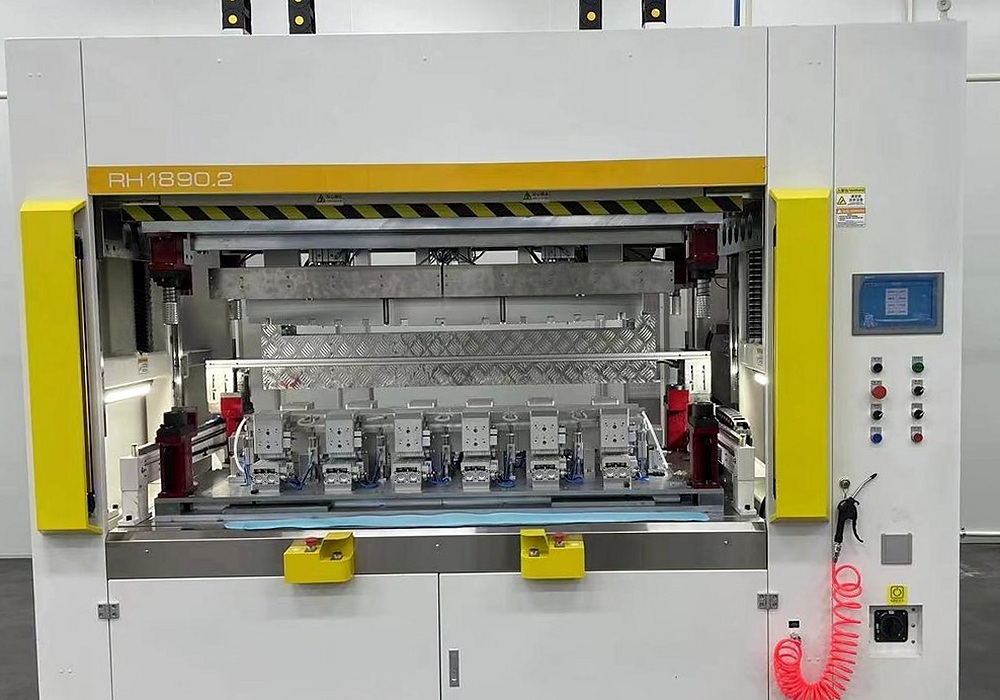
KEM patented integrated air-blow welding heads for fast heating, fast cooling and stable multi-point hot riveting.
View Specifications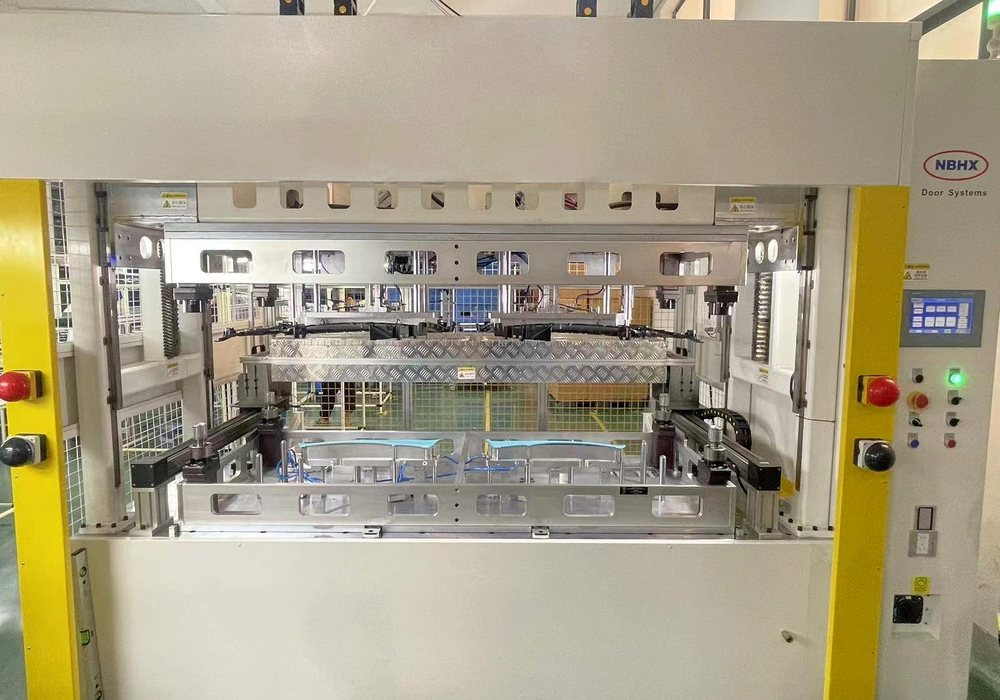
Wrapping
A/B/C/D/BL wrapping machines for skin location, heating-lamp activation, edge wrapping and push-block control.
View Specifications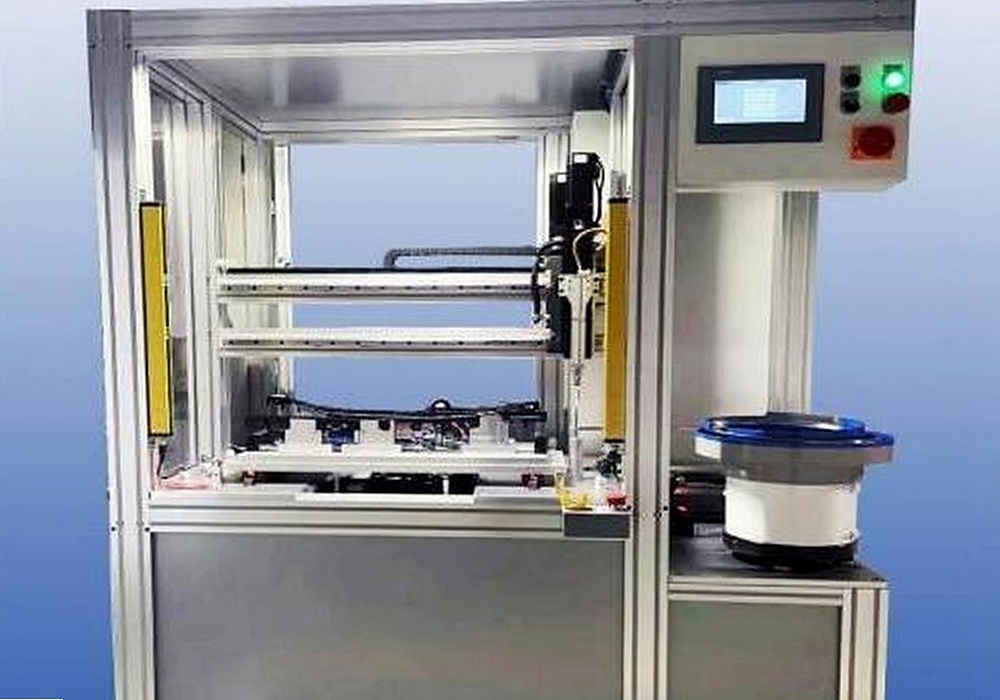
Assembly
Positioning, press-fit, inspection and poka-yoke for buckles, tapes, wood veneer and aluminum trims.
View Specifications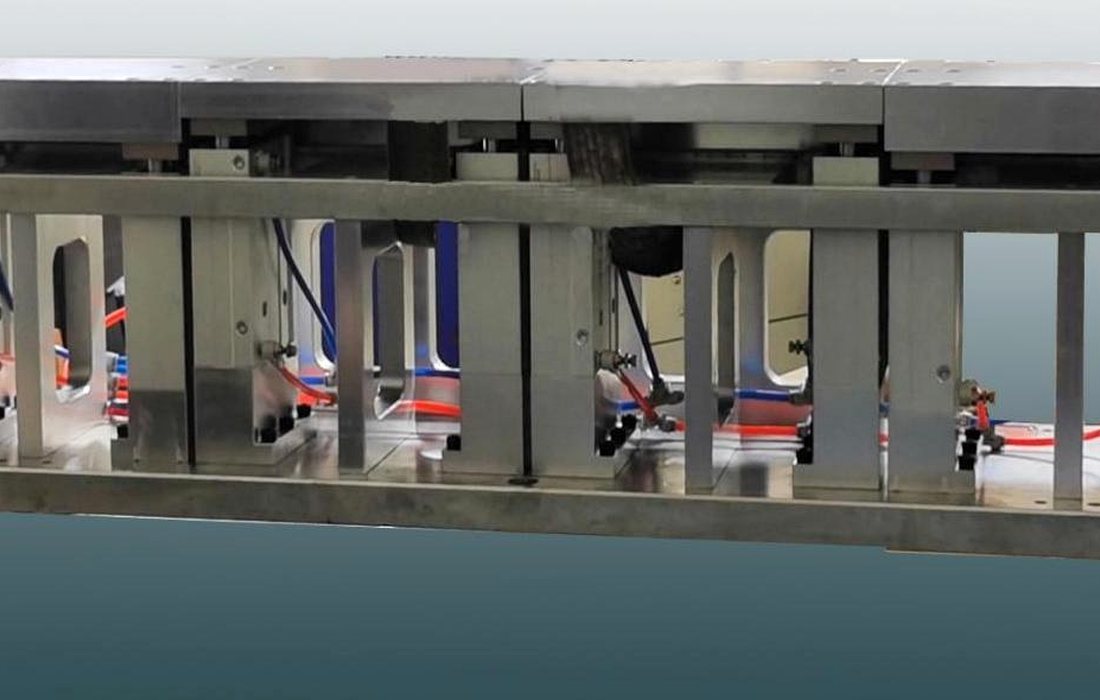
Fixture
CNC milling location, welding holding, mold-change transfer and flexible welding head structures.
View Specifications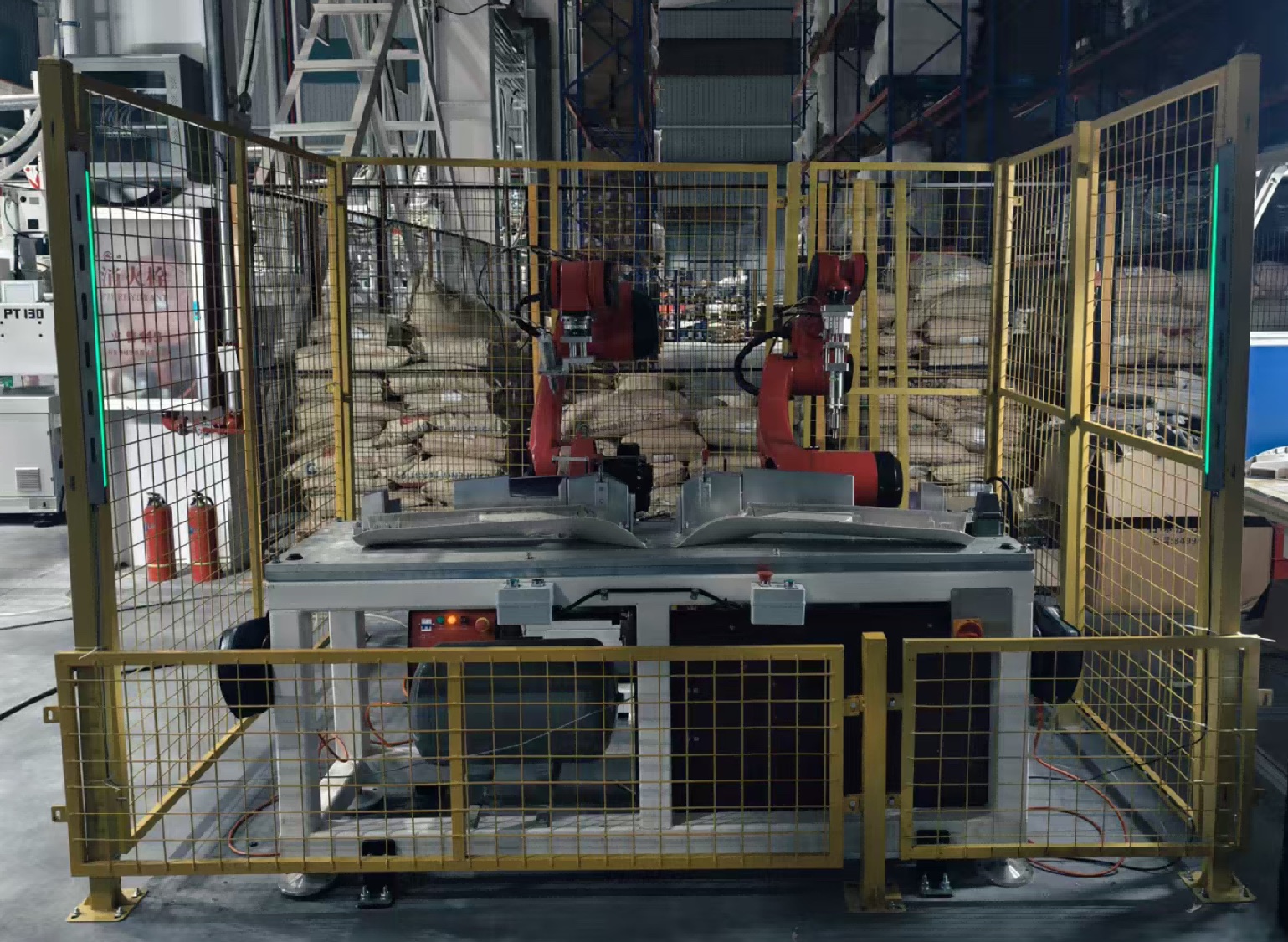
Robot Ultrasonic
Robot-mounted ultrasonic tooling follows programmed weld points on complex surfaces and flexible product variants.
View Solution ReferenceCompany Profile
NBKEM focuses on project-specific automation for automotive interiors, mold-related equipment and non-standard production scenarios. Our work covers solution evaluation, mechanical design, electrical control, fixtures, assembly, commissioning and on-site implementation.
Engineering Focus
For automotive interior parts, stable production depends on positioning, heating, pressure, changeover, poka-yoke logic and maintainability. Clarifying these points early makes the proposal, timeline and acceptance criteria more practical.
We evaluate manual actions, waiting time, thermal stability and process sequence, then translate cycle-time targets into equipment actions and fixture strategy.
Interior parts often have visible surfaces. Fixtures must protect appearance while maintaining reliable datum control and ergonomic loading.
For multi-platform and multi-version programs, common parts, quick-change modules, mold trolleys and recipe control help reduce downtime.
Clear structure, pneumatic layout, electrical layout and wear-part access help your team troubleshoot faster and replicate solutions for future projects.
Core Capabilities
Across all core product lines, NBKEM covers early concept design, mechanical/electrical/pneumatic design, parts machining, assembly, commissioning and on-site implementation. A mature supplier network also supports equipment delivery, spare parts and long-term maintenance.
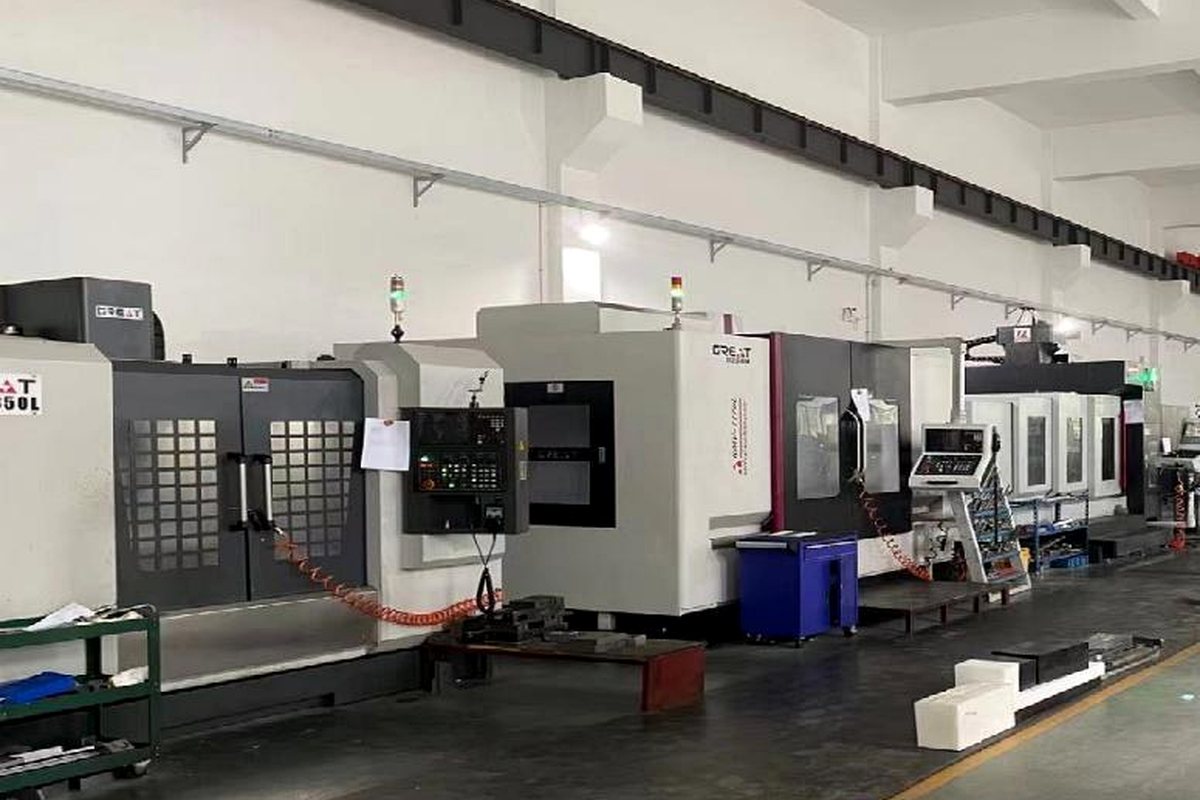
Customized mechanical, electrical, pneumatic and safety concepts based on product structure, cycle time, datum strategy and quality checkpoints.
Hot riveting, leather wrapping, buckle assembly, wood veneer/aluminum bonding fixtures and related tooling for automotive interior parts.
Welding fixtures, changeover trolleys, CNC fixtures and quick-replacement universal parts designed for easier maintenance and faster changeover.
Support for sample validation, equipment rhythm, production stability and operator workflow improvement during project implementation.
Project Delivery
Clarify part structure, process actions, positioning method, cycle-time target, quality checkpoints and site limitations.
Provide equipment layout, fixture concept, action logic, key component configuration and safety recommendations.
Complete machining, assembly, electrical control, pneumatic setup, heating modules and software commissioning.
Support installation, trial production, operator training and subsequent process optimization at your site.
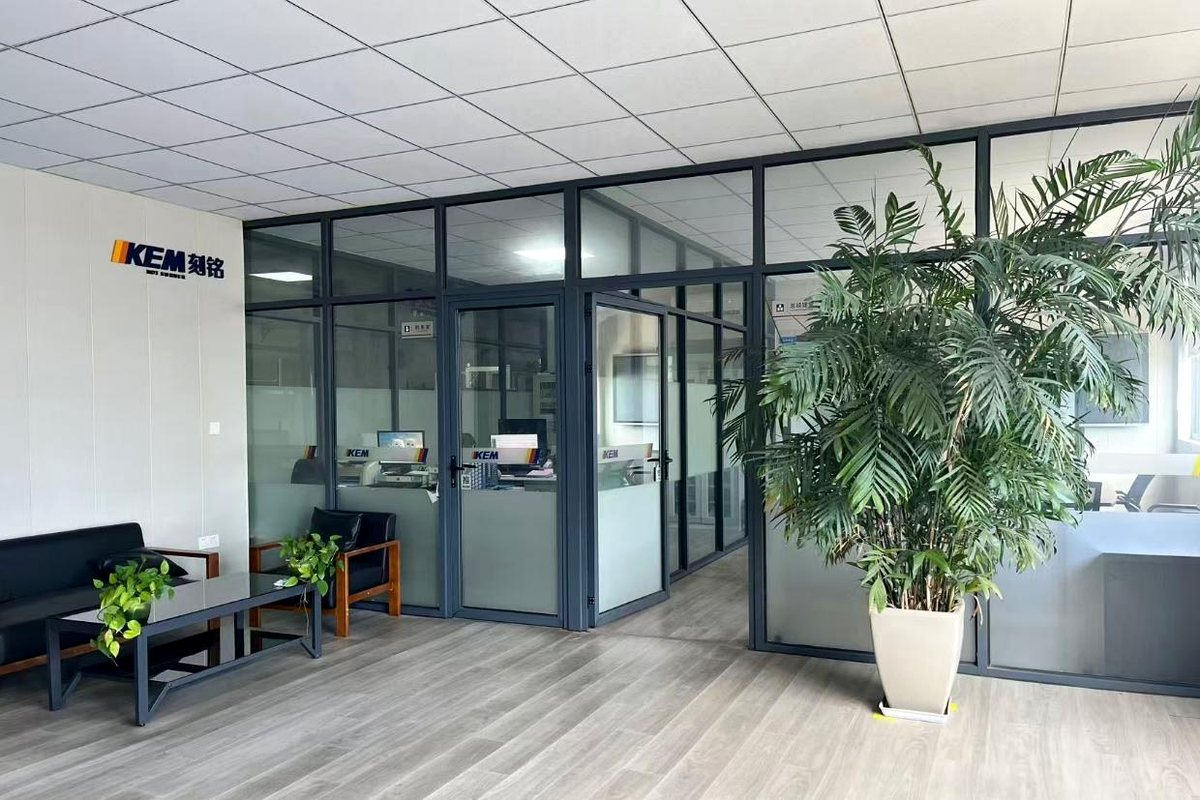
Quality & Acceptance
A common risk in custom automation projects is redefining acceptance after equipment manufacturing. We recommend defining acceptance dimensions during the concept stage so engineering, purchasing, production and quality teams share the same target.
Validate samples, key parameter windows, fixture repeatability, sensor logic and abnormal-condition handling.
Recommended checks include dry run, continuous trial production, cycle time, appearance protection, safety interlock, alarms and wear-part list.
Operation instructions, electrical/pneumatic diagrams, maintenance suggestions, spare-parts list and training points can be prepared as required.
Project References
The core value of automation is to reduce manual work and process variation while improving efficiency and product consistency. The cycle times below are typical project references; final values depend on the product and process solution.
Hot Riveting & Welding
Fixture positioning and programmed control of temperature, pressure, time and machine actions reduce manual steps and process variation while improving consistency.
Automatic Wrapping
Sequenced positioning, heating, edge wrapping and pressing reduce operator variation while improving production efficiency and appearance consistency.
Flexible Configuration
Actual output per cycle and cycle time depend on part layout, process design and selected functions. Additional inspection, heating, changeover or traceability functions may require a longer cycle.
Representative Programs
These programs cover different automotive interior parts, process structures and changeover scenarios, demonstrating project adaptation experience in equipment and fixtures.
Before Inquiry
You can contact us even if the documentation is incomplete, but clearer input helps narrow down equipment concept, timeline and quotation scope.
Product photos or 3D/2D drawings, sample status, process description, cycle-time target, quality requirements, site space and your specified component brands.
Yes. We can provide an initial review, but detailed concept work usually requires key dimensions, datum strategy, material characteristics and appearance-protection requirements.
PLC, cylinders, sensors, heating modules and safety components can be discussed according to your plant standards and confirmed in the technical agreement.
We usually evaluate unstable manual actions, cycle-time bottlenecks, rework cost, product lifecycle, changeover frequency and expected investment return.
Contact NBKEM
Please leave your contact information and project direction. Product type, program platform, sample status, cycle-time target and equipment space limits are especially useful for engineering communication.
Ningbo Keming Automation Equipment Co., Ltd. Address: Building 11, Xiying Eco Sci-Tech Park, Xizhou Town, Xiangshan County, Ningbo, Zhejiang, China 315722 Tel: +86-574-65832269 / 65873366 Fax: +86-574-65873566 Email: nbkem@126.com Website: nbkem.com